From medallists to mentors: Nurturing the next generation

These experienced hands brought home glory at the peak of their powers. Now, they are tasked with preparing a new batch of precocious talents to go beyond. In the third of a series featuring former athletes turned administrators, we explore how this trio supports our budding youngsters.
By Ignatius Koh
The eagle-eyed Silat scout
Nurul Fiona, 27
High Performance Manager, Singapore Silat Federation

Powerful punches, robust horse kicks and shows of tenacity. At the sidelines of a local silat tournament, Nurul Fiona analyses every movement while watching fighters duke it out.
As the Singapore Silat Federation’s (SSF) first high performance manager, her mission is to unearth more talent for the national team. She knows what she is looking for.
“I look out for their confidence in the arena, as well as their aggressiveness, agility and skills,” said the 27-year-old, who assumed the role in 2014. “We’re looking for those who include a variety of moves in their tactical play and whose opponents cannot read them.”
As a former national silat athlete, she also knows how to groom them. Following their induction, she works with the federation’s coaches to train them into world-class exponents.
For instance, she introduced mental coaches to help athletes cope with high-intensity competitions and also brought in video analysis sessions. They have worked wonders. The national team won a record-breaking seven gold medals at the 18th World Pencak Silat Championship in 2018 on home soil.
But the sport is becoming faster and more aggressive, said the world championships bronze medallist in 2015. Newly-formed teams from countries that have roots in other martial arts such as muay thai and kickboxing will be “twice as aggressive” when learning silat.
“Our athletes must step up and match them,” she said. “To keep them on their toes, we hold weekly sparring sessions to make them feel confident when entering the arena.”
The Wushu warrior turned table tennis pillar
Valerie Wee, 31
Senior High Performance Executive, Singapore Table Tennis Federation
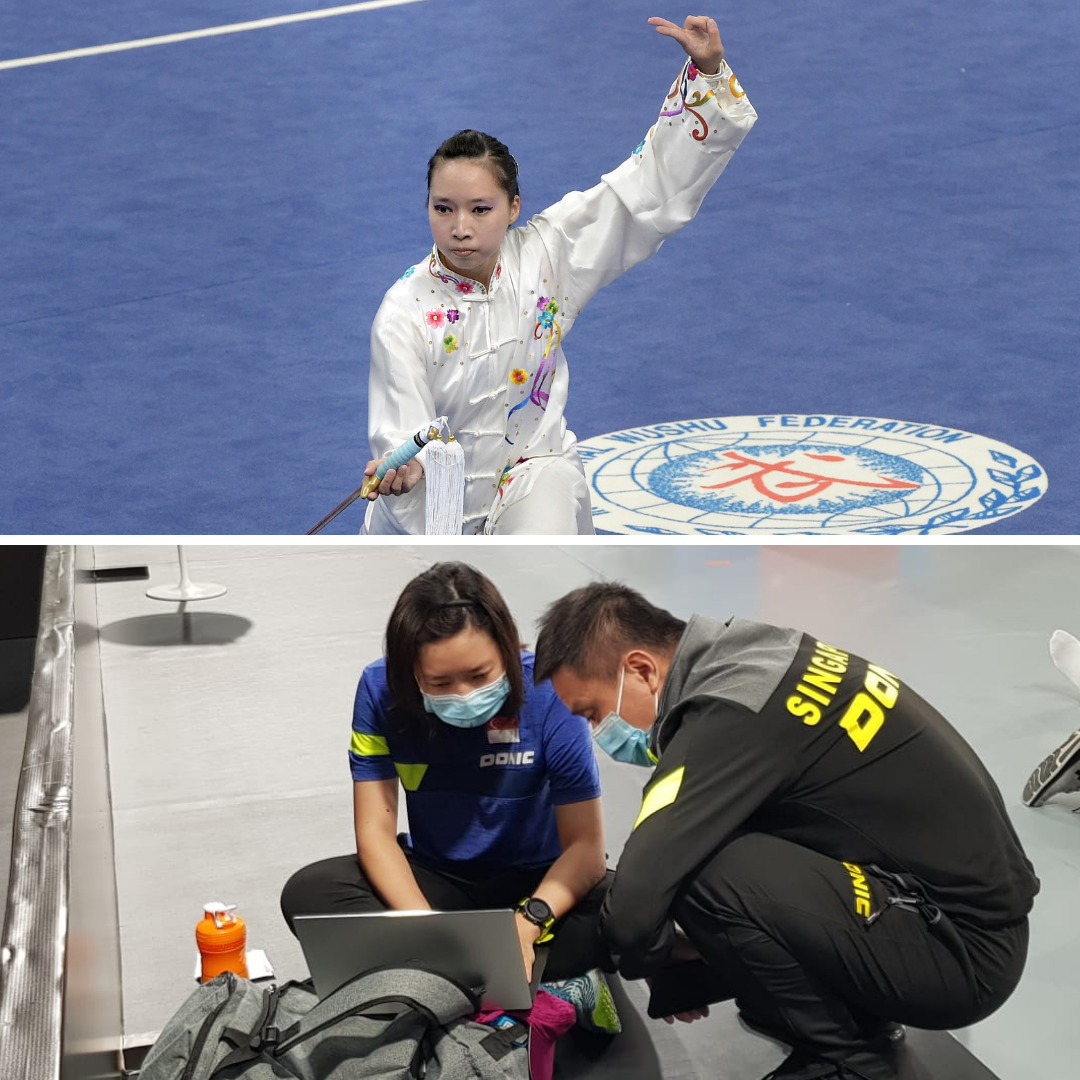
Valerie Wee holds a Chinese phrase close to her heart: “If you put in the effort, it doesn’t mean you’ll get something in return. But if you don’t put in any effort, you get nothing at all.”
The former national wushu athlete now imparts these words of wisdom from her previous coach to her current charges at the Singapore Table Tennis Association (STTA). Not only does the high performance executive handle operations and schedules – she takes it upon herself to mentor the next generation of paddlers.
“I wanted to be on the frontlines meeting athletes and understanding their day-to-day troubles,” said the 31-year-old, who retired in 2015 and joined STTA in March 2020.
These days, she finds a number of younger athletes struggling to balance the daily barrage of schoolwork and training. She added: “I was once like them, so they know they’re not alone and I’m someone who will fight with them to achieve their goals.”
Having been more used to choreographed wushu routines, Wee was initially challenged by the unpredictability of table tennis. There was always something new to learn – the types of rubbers used on paddles, the different playing styles and footwork.
But once she got the hang of it, her attention turned to lifting the national team beyond its already high standards. No pressure, she said. She is constantly on the lookout to enrol her coaches in courses and has regular meetings with the National Youth Sports Institute to discuss plans for the youth team.
“Even if I feel pressured, they can’t play better,” said the three-time Southeast Asian (SEA) Games medallist. “I’m more concerned with how I can motivate and grow their passion for table tennis.”
Rebuilding the fallen giants
Eugene Teo, 34
Pathway Manager & Assistant Coach, Singapore Swimming Association
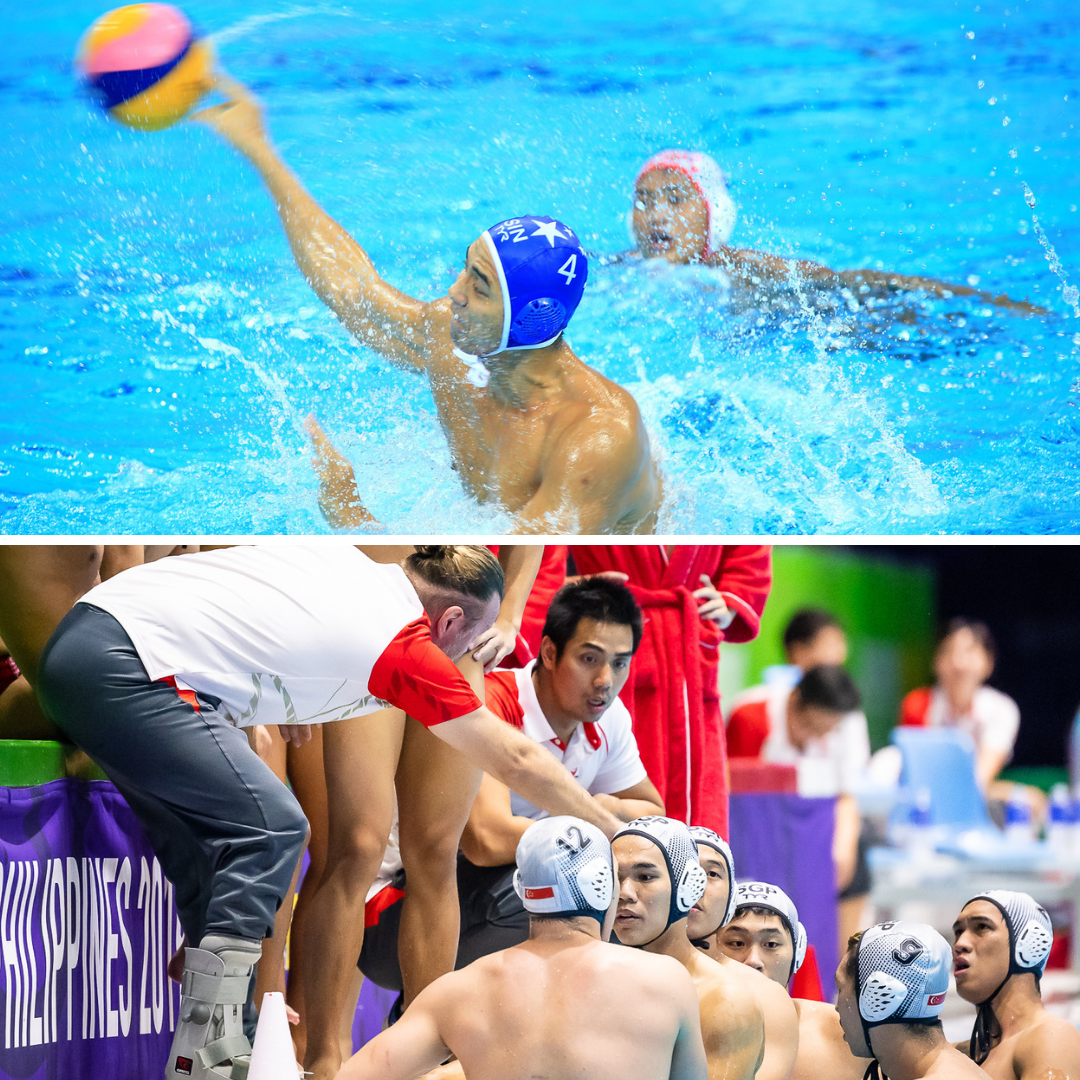
There was no usual roar of jubilation from the Singapore men’s water polo team at the New Clark City Aquatic Centre in the Philippines. On a historical night in November 2019, assistant national coach Eugene Teo had a front row seat as the Republic’s gold streak across 27 editions of SEA Games ended after 54 years.
“It was quite emotional as we lost that legacy,” said the former team captain and five-time SEA Games gold medallist. “But nothing lasts forever and we were hoping the result could generate more competition in the region.”
Teo, 34, is now focused on expanding water polo’s reach locally. Apart from coaching, he is also the team’s Pathway manager, where he works with club owners and agencies like ActiveSG to organise more subsidised classes for children from as young as six years old.
“In any sport, you need that critical mass at the base of the pyramid to ensure stronger players emerge at the apex,” said the father of two.
It is especially important as the game has changed. Today, there is more focus on horizontal movements like bursting sideways compared to the vertical jumps from before. Teo believes he can drill these skills into the younger athletes today alongside new head coach Kan Aoyogi with a dose of friendship.
“If you’re friends with the players, they will trust you a little more and they will want to stick with you,” he said. “If they’re scared of the coach, they wouldn’t want to attend extra training.”